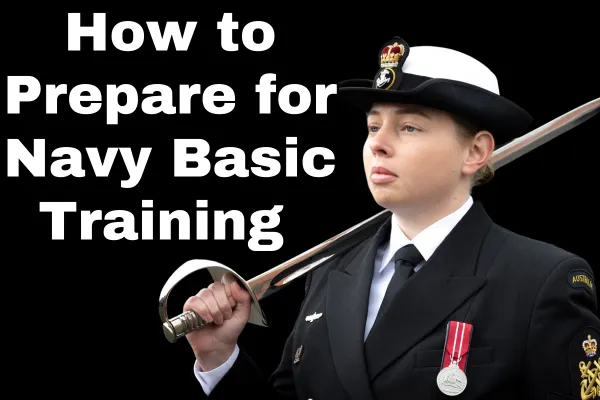
How to Prepare for Navy Basic Training: Fitness, Mindset, and Practical Tips
How to Prepare for Navy Basic Training: Fitness, Mindset, and Practical Tips
Joining the Australian Navy is a rewarding yet challenging journey, and preparation is key to succeeding in Navy basic training. This blog will cover the essentials—from physical fitness to mental resilience—ensuring you are well-prepared to face the demands of basic training and start your career with confidence.
1. Physical Fitness: Train Like a Recruit
One of the most crucial aspects of preparing for Navy basic training is your fitness level. Basic training places a heavy emphasis on cardiovascular endurance, stamina, and functional strength. Here’s how to start building the physical foundation needed:
Focus on Cardio: Running is a big part of Navy fitness. Start incorporating regular runs into your weekly routine, gradually increasing distance and speed. Aim for at least 3-5 cardio sessions per week. If you’re new to running, begin with interval training to build endurance.
Bodyweight Exercises: Push-ups, squats, and burpees are key exercises you’ll encounter in basic training. Focus on endurance rather than just strength—being able to perform these exercises consistently over time is more important than lifting heavy weights.
Swimming Proficiency: Navy recruits must demonstrate solid swimming skills. Practice basic survival strokes, treading water, and underwater swimming. It’s recommended to be comfortable with the Royal Australian Navy Swim Test, which includes a platform jump, underwater swim, and treading water for 15 minutes.
If you’re preparing for ADF entry and need a structured plan, check out our Fit For Service Training Plan to ensure you're building tactical fitness that aligns with the demands of Navy training.
2. Mindset: Build Mental Resilience
Physical preparation is only half the battle. Navy basic training will test your mental fortitude and ability to handle stress. Developing a resilient mindset is just as important as physical fitness.
Discipline in Routine: Start training early in the morning to simulate the structured environment you’ll face during basic training. Waking up at 5 a.m. and completing workouts can condition both your body and mind for the discipline required in military life.
Endurance Under Stress: You’ll often face high-stress situations, from enduring cold weather to completing long cardio sessions. Building mental resilience requires embracing discomfort. Regularly push yourself to complete challenging workouts, and practise staying calm under pressure.
For more strategies on staying motivated, read our article on Improving Your Motivation to Train to ensure you stay consistent even when training gets tough.
3. Practical Tips: Prepare for Success
In addition to fitness and mindset, small details can make a big difference during your preparation for Navy basic training:
Start Early: Daniyal, who recently completed Navy basic training, started his fitness journey well in advance. His story highlights how starting early can lead to significant improvement, particularly in areas like running and swimming. Read more about his journey from Civilian to Navy Seaman.
Pack Smart: Make sure your gear is ready. Invest in high-quality running shoes and gear that supports both cardio and endurance-based activities. A good iron, snacks, and hydration solutions can also be essential for managing daily life during training.
Cardio Endurance Over Strength: During Navy training, you’ll be judged more on your ability to endure long periods of activity rather than your one-rep max. Focus your training on improving cardio endurance, bodyweight strength, and recovery.
Preparing for Navy basic training requires a balance of physical, mental, and practical readiness. By starting early and focusing on endurance, mental toughness, and proper preparation, you can set yourself up for success. Whether you're just starting your fitness journey or need a structured approach, our Fit For Service Training Plan is here to guide you through each step, ensuring you enter Navy basic training with confidence and strength.